Starting ‘Big School’? Here's How To Make The Transition A Success

Starting a new school is one of the biggest milestones in a child's education. Whether they're moving at 11+ or 13+, a little preparation can make all the difference. From building confidence and independence to making new friends and settling into unfamiliar routines, here's how to help your child start this exciting new chapter feeling prepared, positive and ready to thrive

The child who seemed so small when they started primary school is suddenly growing up and preparing for a school with a larger campus, multiple teachers, a more demanding timetable and a whole new social environment. 

Whilst this can be an emotional time for parents, the good news is that most children adapt remarkably quickly. 

While a certain amount of nervousness is perfectly normal, there is a great deal families can do over the summer to help their child start their new school feeling prepared, confident and excited.
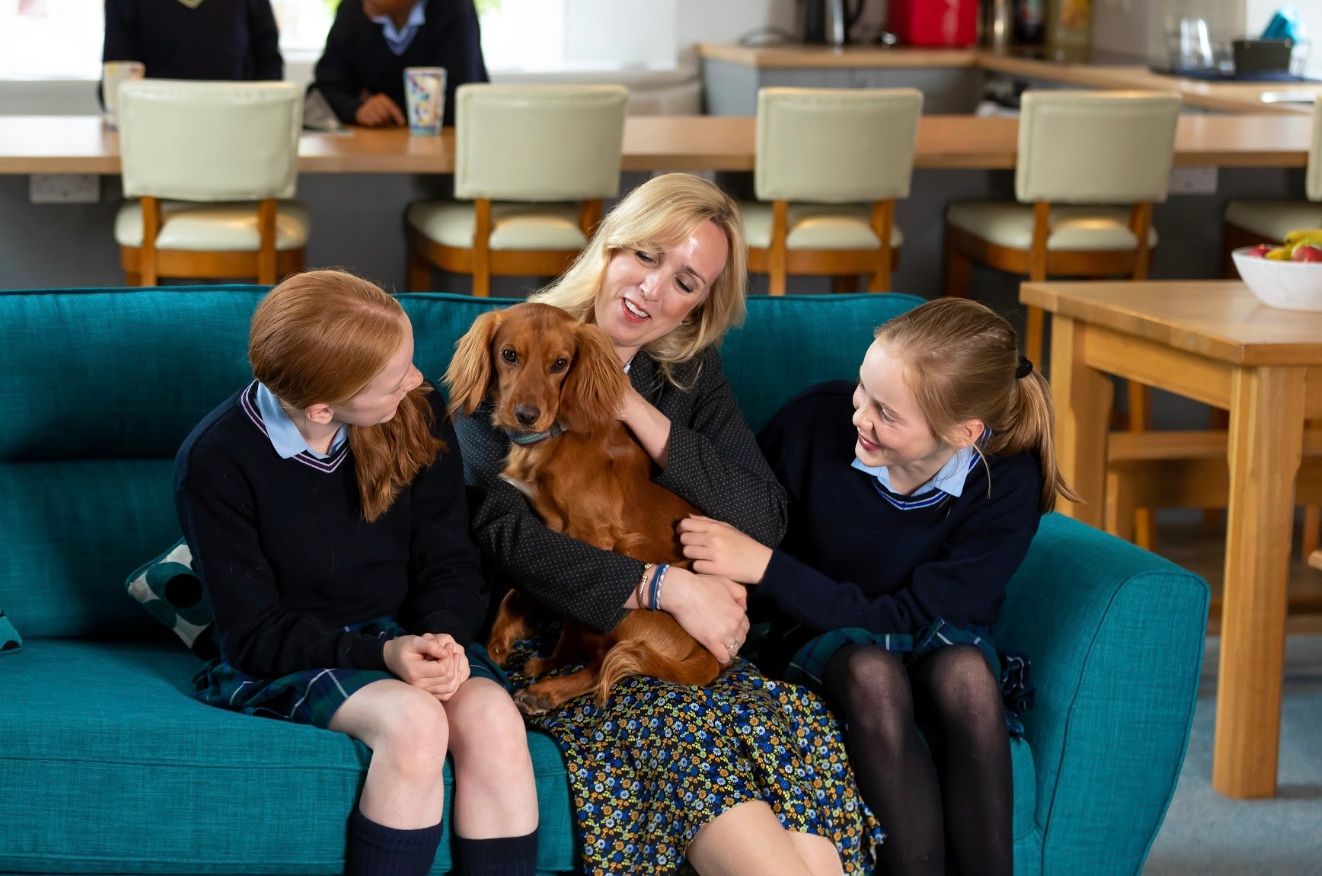
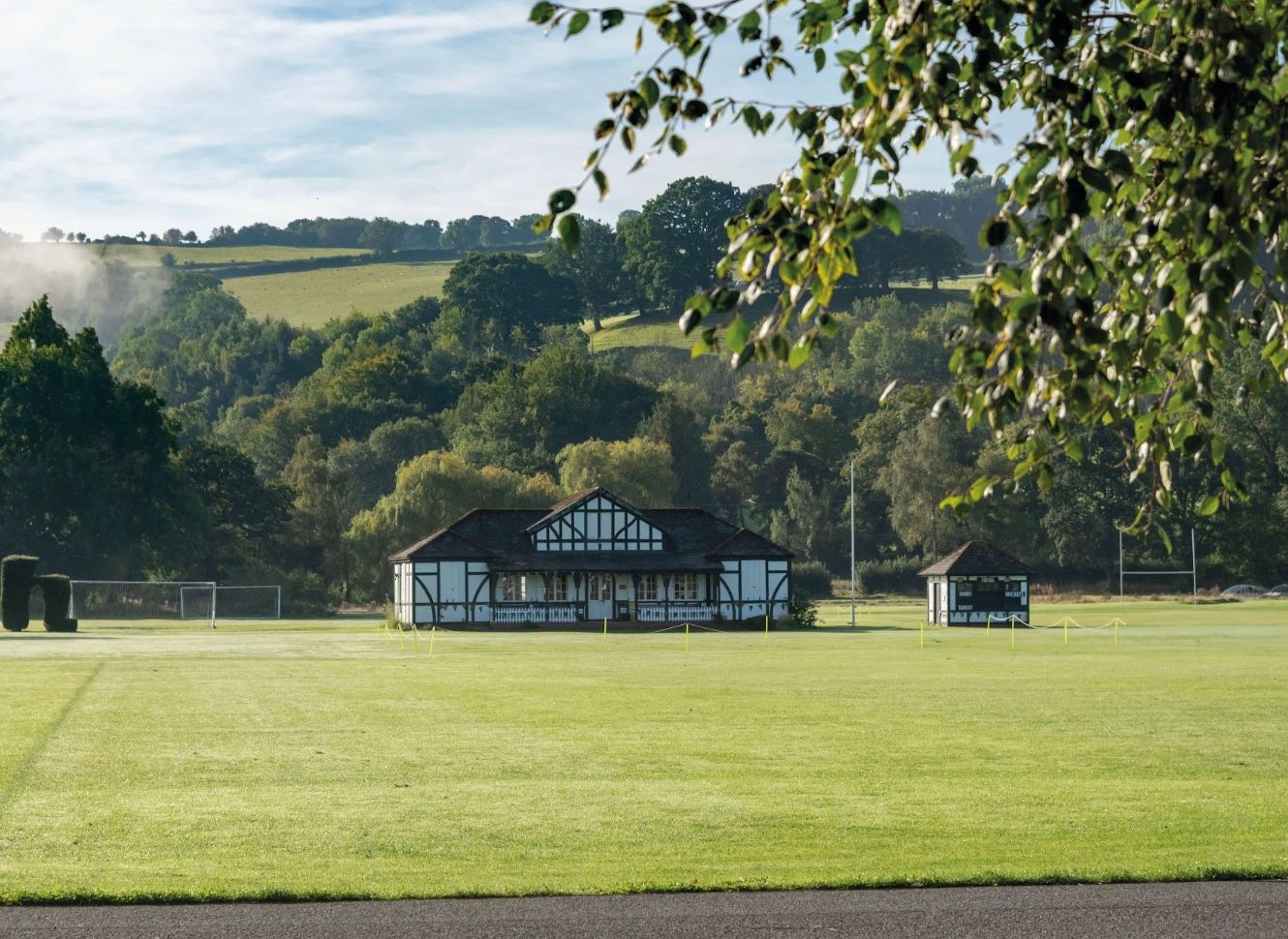
St Mary's Calne

Familiarise Them With Their New Environment

Children are naturally less anxious about situations that feel familiar. If possible, attend induction days, orientation events and welcome activities offered by the school. Spend time looking at maps of the campus, reviewing timetables and discussing what a typical school day might look like.

For day pupils, practising the journey to school can be particularly helpful. For boarders, understanding where they will sleep, eat, study and spend free time can make the experience feel much less daunting.

The fewer unknowns there are, the more confident children tend to feel.

Help Them Build Connections Early

One of the biggest concerns children have before starting a new school is friendship. Many schools now create online groups, buddy systems or induction activities that allow new students to meet before term begins. Encourage your child to take advantage of these opportunities.

If you know other families whose children are joining the same school, arranging informal meet-ups over the summer can also help build confidence.

Even knowing one familiar face on the first day can make a significant difference.

Focus on Independence, Not Academics

Many parents worry about whether their child is academically prepared for senior school

Felstead

In reality, schools expect children to arrive with a range of abilities and will quickly help them settle into new routines and expectations.

What often makes the biggest difference is independence.

Can your child organise their own belongings? Do they know how to manage a timetable? Can they pack a school bag, remember sports kit and take responsibility for simple daily tasks?

The summer holidays provide a great opportunity to practise these skills. Encouraging children to take ownership of their own organisation helps build confidence and will get them for the greater responsibility that comes with senior school.

Create Positive Routines Before Term Starts

Many families allow routines to drift during the summer holidays, which is perfectly understandable. However, the final few weeks before school starts it is really valuable to gradually reintroduce school-day habits.

Earlier bedtimes, regular wake-up times and a more structured daily routine can make the transition back to school considerably smoother.

Let Them Take Ownership

While parents naturally want everything to be perfect, children often feel more confident when they are involved in the preparation process.

Allow them to choose a new pencil case, organise their study space or label their equipment. Small decisions help create a sense of ownership and excitement. For boarders, packing together rather than packing for them can be particularly valuable.

Talk About Expectations

Children often imagine worst-case scenarios when facing something new. Take time to talk openly about what senior school will be like. Discuss practical changes such as moving between classrooms, having different teachers and managing a more varied timetable.

At the same time, focus on the opportunities ahead: new subjects, sports, clubs, trips and friendships. A balanced conversation helps children understand that while there will be challenges, there will also be many exciting experiences.

For Boarders: Practise Being Away From Home

If your child is starting boarding school, the transition can feel more significant for the entire family. Boarding schools are highly experienced at helping children settle, but a little practice beforehand can make the first few weeks much easier.

One of the most useful preparations is to give children opportunities to spend time away from home before term starts. Residential trips, summer camps, sleepovers with friends or stays with relatives can all help build confidence and resilience.

The Scholato View

The transition to "big school" is about far more than new classrooms and new teachers. It is an important step towards independence, responsibility and personal growth. The children who settle most successfully are not necessarily the ones who are most academically prepared. They are often the ones who feel confident, organised and excited about the opportunities ahead.

By using the summer to build independence, familiarity and confidence, parents can help ensure that their child arrives on the first day ready to embrace the next stage of their educational journey. A few nerves are normal. A sense of excitement is even better. The goal is not to remove every worry, but to help your child walk through the school gates knowing they are ready for the adventure ahead.