Making Sense Of EYFS, Montessori & Reggio Emilia

Walk around a few nurseries and you'll quickly hear terms like 'play-based learning', 'Montessori' and 'Reggio Emilia'. But what do they actually mean and does choosing one approach over another really matter? We break down the three most common early years frameworks to help parents understand the differences and find the right fit for their child.

Understanding the Early Years Curriculum

Choosing the right early years curriculum is one of the first big decisions parents face when starting their child’s educational journey. The early years, from birth to age five, lay the foundation for how children approach learning, social relationships, and creativity for the rest of their lives.

Across nurseries and preschools, there are several well-established approaches to early learning. Three of the most widely used and respected are the Montessori, EYFS (Early Years Foundation Stage), and Reggio Emilia methods. Whilst each may offer a slightly different philosophy, all share a commitment to nurturing curiosity, independence, and a lifelong love of learning.

Hazelgrove School

The Montessori Approach

The Montessori method is one of the most popular and enduring early years programmes, with a global following across the UK, Europe and the US.

Ludgrove Image

Developed by Italian educator Dr Maria Montessori in the early 1900s, this approach centres on the idea that children learn best through self-directed exploration in a carefully prepared environment.

In a Montessori classroom, children are free to move around and choose their own activities within structured “work cycles.” Teachers act as guides and observers, supporting each child’s individual pace and interests.

The classroom is typically filled with beautifully crafted wooden materials, placed on low shelves so children can access them independently. Learning is multisensory and tactile for instance, children might trace sandpaper letters to feel the shape of the alphabet as they start to learn their letters. 

One thing to note is that Montessori has been interpreted in many ways over the years. While some nurseries follow the pure Montessori philosophy, others blend its principles with the EYFS framework to meet national standards. If you’re drawn to Montessori, it’s worth asking how closely a nursery adheres to traditional Montessori practices.

The EYFS Framework

The Early Years Foundation Stage (EYFS) is the statutory curriculum for all early years providers in England and forms the foundation of the British National Curriculum.

Children are Born with Remarkable Potential

The EYFS focuses on learning through purposeful play and is built around seven key areas of development:

  • Communication and Language

  • Physical Development

  • Personal, Social and Emotional Development

  • Literacy

  • Mathematics

  • Understanding the World

  • Expressive Arts and Design

This broad and balanced framework ensures that all areas of a child’s development are supported from motor skills to emotional wellbeing and early numeracy.

While it may appear more structured than Montessori or Reggio Emilia, the EYFS still embraces many child-led and play-based learning principles, making it compatible with other early education approaches.

Scholato

The Reggio Emilia Philosophy

Originating from the town of Reggio Emilia in northern Italy, this educational philosophy views children as curious, capable, and born with an innate sense of creativity which needs to be nurtured. Parents play a central role in partnership with the nursery as active advocates in their child’s learning journey. 

The Reggio Emilia approach values imagination and collaboration, encouraging children to explore their environment and express themselves through art, storytelling, and play. Deeply embedded in the philosophy is the importance of children being allowed to make mistakes. This encourages them to explore original thought and to be free of the fear of failing. 

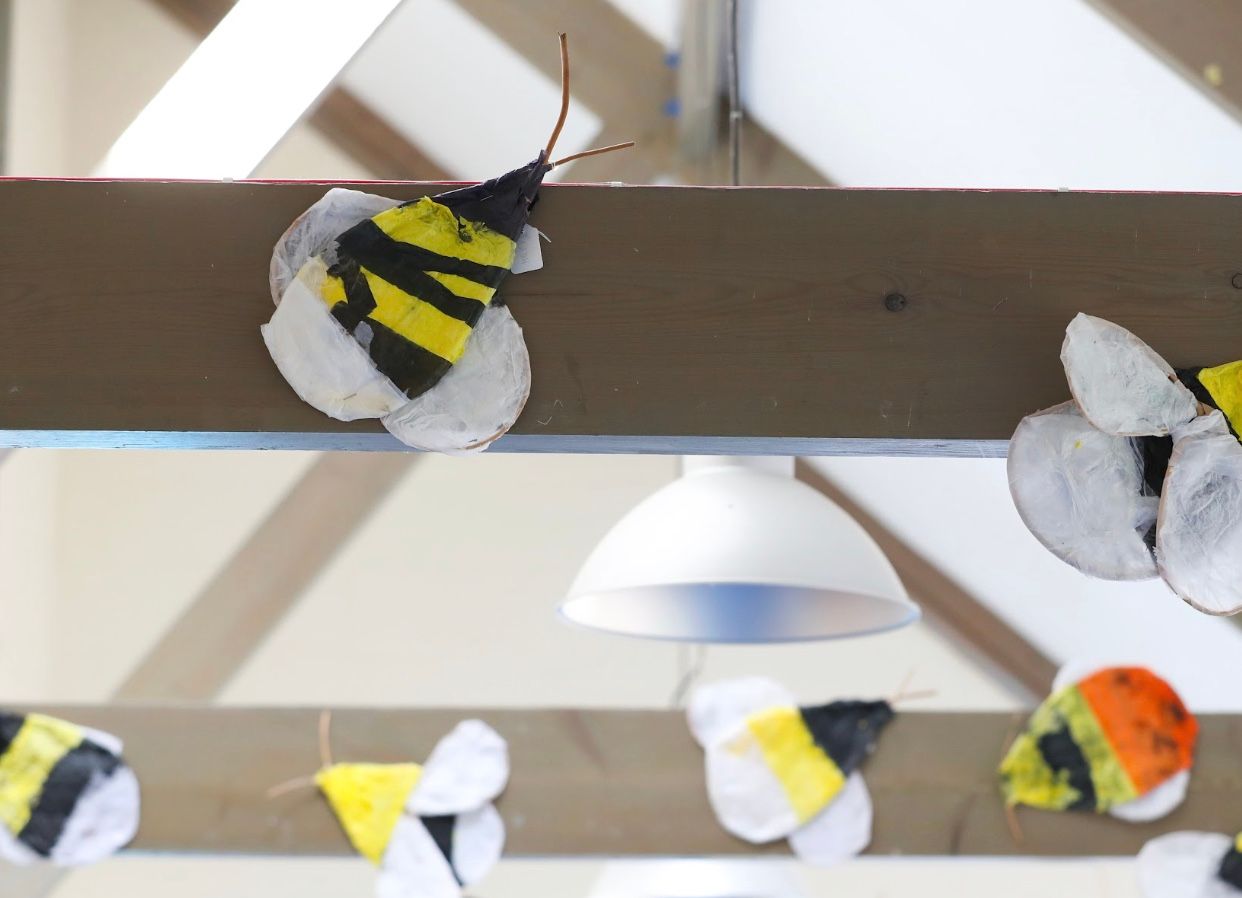
A key feature of Reggio-inspired nurseries is the emphasis on the environment as the “third teacher.” Typically learning spaces are full of on light and natural materials in spacious airy classes.  Learning is primarily project-based and highly visual, often documented through photographs, drawings, and notes to celebrate children’s ideas and discoveries.

Gresham's

Choosing What’s Right for Your Child

scholato

Every Interaction Matters

Many nurseries today create their own hybrid educational models, combining the best elements of Montessori, EYFS, and Reggio Emilia.

While the more progressive approaches can feel unfamiliar to parents who experienced traditional or rote learning themselves, it’s worth remembering that these philosophies are deeply research-based and supported by decades of educational success.

Whichever approach you choose, your child will develop the social, emotional, and cognitive skills needed to thrive. Graduating from any of these early years frameworks whether Montessori, EYFS, or Reggio Emilia, provides a strong foundation for entry into the primary years of any school curriculum.

The Scholato View

The best early years curriculum is one that fits your child’s personality and learning style.

Whether your child thrives in a structured environment or one that celebrates creativity and freedom, there’s a pathway that will nurture their unique potential and set them on a lifelong journey of discovery.

The curriculum is merely a framework, the best early learning environments don't simply follow a particular philosophy; they bring it to life through exceptional teaching, warm relationships and an environment where children feel safe to explore, question and grow. By visiting nurseries and asking questions about how curiosity and independence are nurtured and observing how teachers interact with children, you can go beyond the labels and league tables and ‘picture’ your child there.